


CONSTRUNEWS
In Construir entornos de cuidado, Benedetta Tagliabue’s latest contribution to Horizontes Abiertos, a series curated by Luis Sans Llopis for Construnews, she explores architecture as a form of care and reflects on its capacity to create more welcoming, resilient and human-centred environments.
Through projects such as Santa Caterina Market, Kálida Sant Pau and The Architecture of Virtual Water, she examines how architecture can foster a sense of belonging, respond to changing needs and promote more sustainable ways of inhabiting.
The article also reflects on material circularity, the relationship between people and their surroundings, and the responsibility of architecture to create environments that are not only functional, but also welcoming and closely connected to everyday life.
Read the full article:
https://construnews.com/arquitectura/benedetta-tagliabue-construir-entornos-de-cuidado-significa-crear-lugares-que-protejan-y-hagan-mas-facil-estar-juntos/
Photo credit: Alex Gaultier


LA VANGUARDIA
Benedetta Tagliabue gave a very special interview to La Vanguardia, published on 2 August 2026. In the conversation, Benedetta reflects on her personal and professional journey and on the role architecture plays in shaping the way we live and relate to our surroundings.
She shares insights into the principles that have guided her work and the approach developed at EMBT, where architecture is understood as a continuous dialogue between people, places, memory and contemporary life.
Read the full interview: https://www.lavanguardia.com/vivo/longevity/20260802/11602648/benedetta-tagliabue-arquitecta-impulsividad-tenia-adolescente-vida-me-ensenado-respeto-quienes-te-rodean-fundamental.html
Photo credit: Lluc Miralles

University of Pennsylvania Stuart Weitzman School of Design
Philadelphia, USA
Wednesday, September 16, 2026
18:30–20:00
Benedetta Tagliabue will give a lecture entitled Building Environments of Care at the University of Pennsylvania Stuart Weitzman School of Design, exploring how architecture can foster well-being by transforming public spaces into places of comfort, healing and belonging.
Through renaturalisation, adaptive reuse and human-centred design, the lecture will reflect on how cities can be reimagined as environments of care, where nature and architecture come together to create warmth, connection and a sense of home within the urban fabric.
The image above is part of a recent photographic series of Kálida Sant Pau Centre in Barcelona, highlighting the growth and evolution of the gardens surrounding the centre and the increasingly close relationship between architecture, landscape and nature over time.
More information: https://www.design.upenn.edu/events/benedetta-tagliabue
Photo credit: Lluc Miralles

Roca Barcelona Gallery
Barcelona, Spain
Until 21 October 2026
We invite you to visit The Architecture of Virtual Water at Roca Barcelona Gallery and explore water as an invisible yet fundamental system embedded in our everyday lives. Originally presented at the 19th International Architecture Exhibition of La Biennale di Venezia, the installation brings together architecture, scientific research, music and digital visual art through an interdisciplinary collaboration led by Benedetta Tagliabue – EMBT Architects.
Through folded paper structures, digital projections, spatial sound and responsive imagery, the installation transforms scientific data into an immersive experience, inviting visitors to become more aware of the often unseen relationships between water, ecology, technology and everyday life.
On view at Roca Barcelona Gallery with free admission.
More information: https://www.laufenrocagallery.com/es-ES/events/the-architecture-of-virtual-water
Photo credit: Lluc Miralles

AD España
Benedetta Tagliabue opens the second season of Mi casa en AD con Kave, the video podcast by AD España, in conversation with Maite Sebastiá, Head of Editorial Content at AD.
During the episode, Benedetta reflects on the relationship between architecture, the home and the city, revisiting projects such as Casa Mercaders and Santa Caterina Market and exploring how architecture can help transform neighbourhoods, create new connections and give new life to existing places.
The conversation also offers a more personal insight into the ideas, stories and moments of humour that have shaped the work of Miralles Tagliabue – EMBT Architects over the years.
Watch the episode: Mi casa en AD con Kave – Benedetta Tagliabue
Image credit: AD España

CONVERSATION – BENEDETTA TAGLIABUE AND MANUEL BLANCOIvorypress, Madrid, Spain
Thursday, 3 September 2026 at 19:00
On 3 September, Benedetta Tagliabue and Manuel Blanco will meet at Ivorypress in Madrid for a conversation about Weaving Architecture, the new monograph dedicated to the work of Benedetta Tagliabue – EMBT Architects, published by Arquine.
Taking the book as a point of departure, the conversation will offer a reflection on more than three decades of architectural practice shaped through continuity and transformation, bringing together memory, material experimentation, nature and an evolving attention to the human experience.
The conversation will also touch on other publications related to EMBT’s work, as well as a selection of projects by Miralles Tagliabue – EMBT Architects, opening up a broader reflection on the studio’s architectural trajectory and design processes.
Image credit: Ivorypress
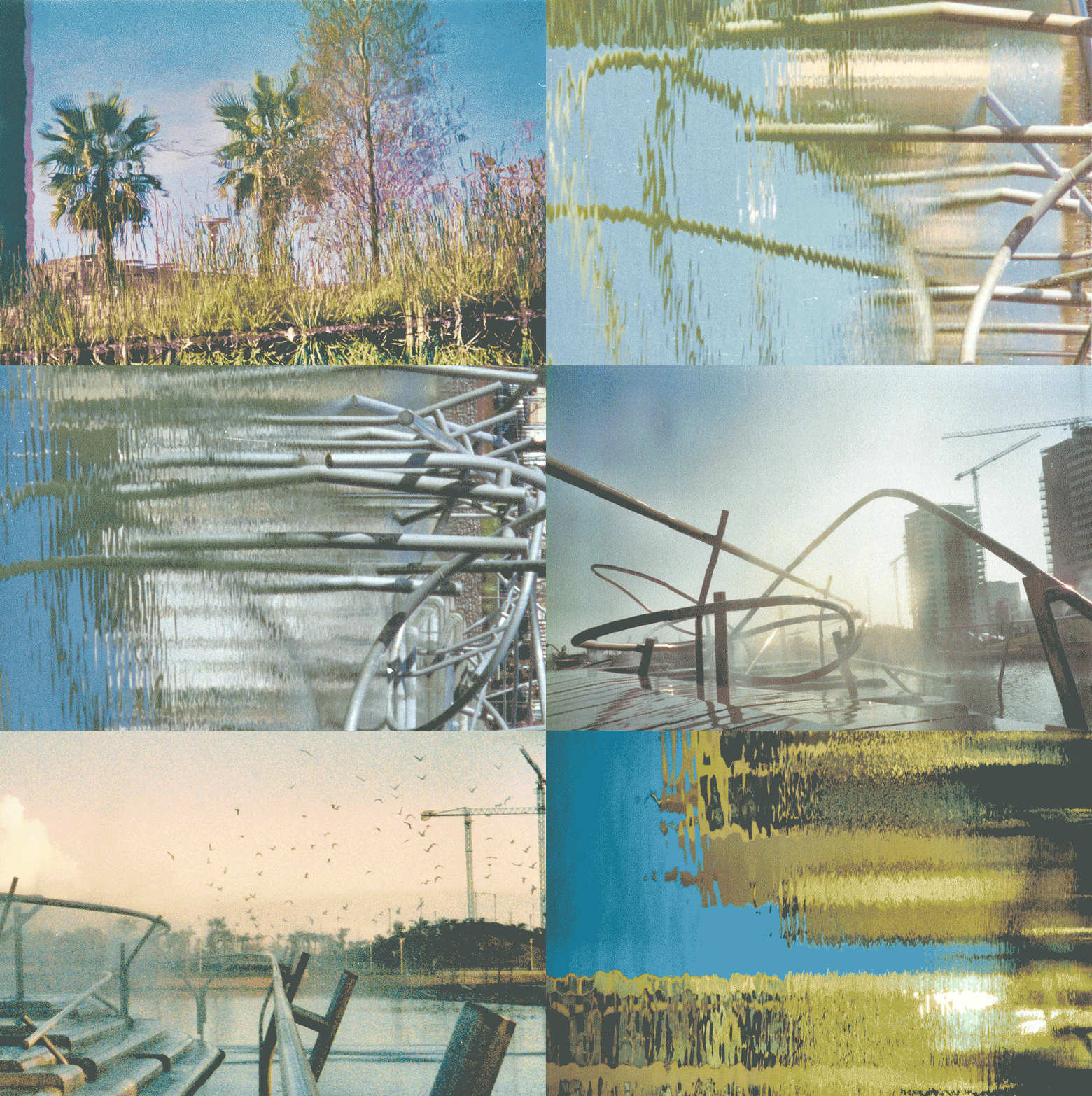
Barcelona, Spain
As summer unfolds, we would like to wish you a happy and restful holiday. To accompany the summer break, we are sharing a series of photographs of Diagonal Mar Park by Carmen Ollé Coderch, capturing the park through its relationship with water, vegetation and the surrounding city.
A very special project in EMBT’s history, Diagonal Mar Park unfolds as a living connection between Barcelona and the Mediterranean, shaped by movement, reflection and everyday life. Happy summer from all of us at EMBT Architects!
Photo credit: Carmen Ollé Coderch
Fundació Enric Miralles
Barcelona, Spain
30 June–2 October 2026
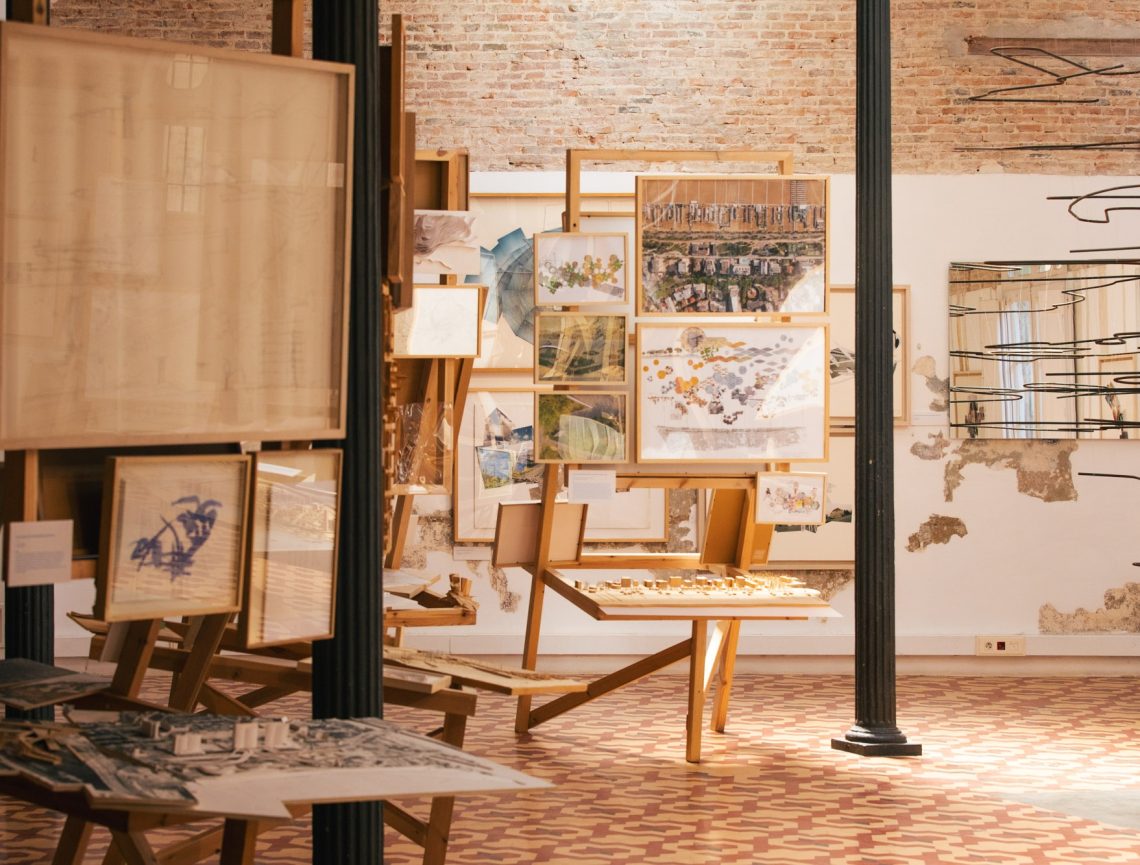
On 30 June, the exhibition Liquid Architectures: Water Draws Always in Plural opened at the Fundació Enric Miralles. Organised by the Fundació Enric Miralles in collaboration with w a t e r s p a c e and Miralles Tagliabue – EMBT Architects, the exhibition explores the multiple relationships between water and architecture.
Bringing together 15 projects, the exhibition is structured around four main themes: Water Builds the City, Water Draws the Margin, Water Holds Memory and Water Becomes Invisible. Through these perspectives, it investigates water as an active element in architectural thinking: shaping urban environments, defining boundaries, preserving memory and becoming image, atmosphere and perception.
Original drawings, archival materials and models by Enric Miralles and Benedetta Tagliabue offer a closer insight into the creative processes and architectural research behind each project.
Photo credit: Lluc Miralles
Fundació Enric Miralles
Barcelona, Spain
30 June–30 September 2026
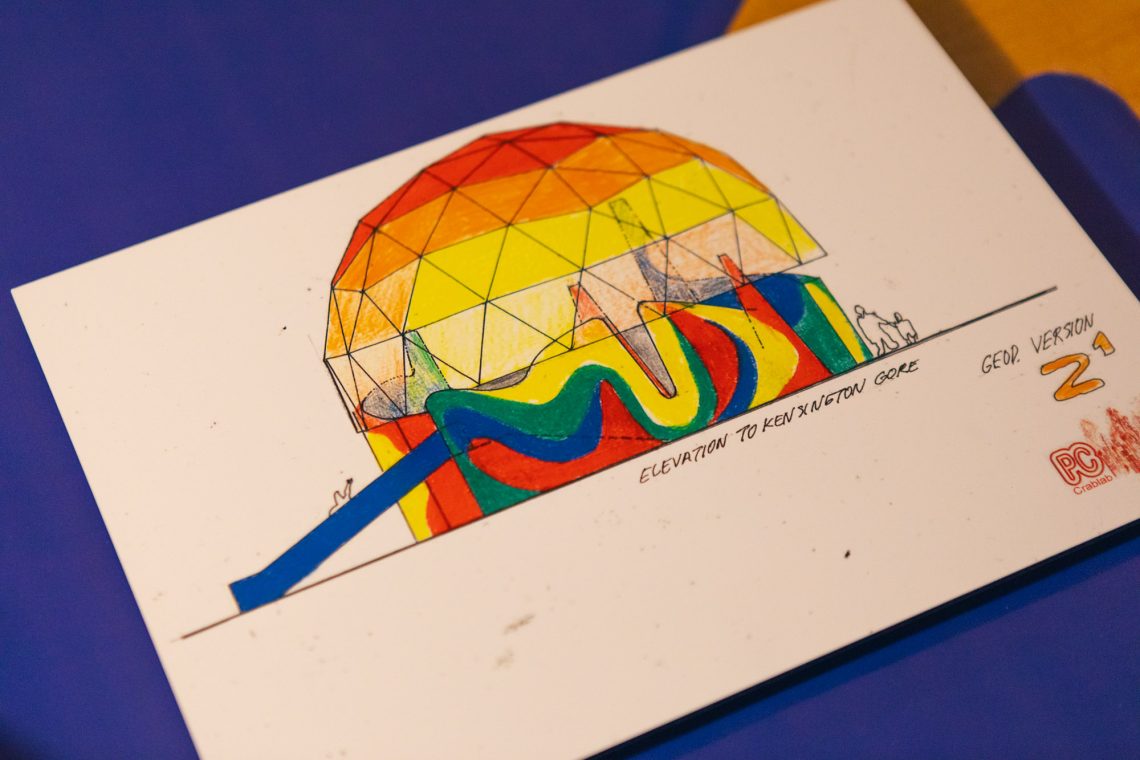
Peter Cook: Cities and Pavilions brings together recent works by Peter Cook, offering insight into his visionary approach to urban imagination and architectural experimentation.
The exhibition features a series of drawings exploring possible future cities, alongside two built pavilions: the Play Pavilion, commissioned by Serpentine Galleries and the LEGO Group in 2025, and the Drawing Studio for Arts University Bournemouth, completed in 2016.
Through these works, the exhibition reveals Cook’s continuing exploration of the relationship between drawing, speculation and the future of architecture.
Photo credit: Lluc Miralles